Live casino game show dice games bring a studio-production feel to online gambling, with dice rolls, multipliers and animated results replacing the static reels many players are used to. For Australian adults, the appeal sits in watchable rounds and quick decisions, but the interface still matters. You need to understand bet types, read the outcome clearly and manage your stake without hunting through confusing menus. This review examines how these games handle navigation, localisation, currencies and everyday usability, while noting the limits of features that feel exciting but demand closer attention.
Interface clarity and navigation for everyday play
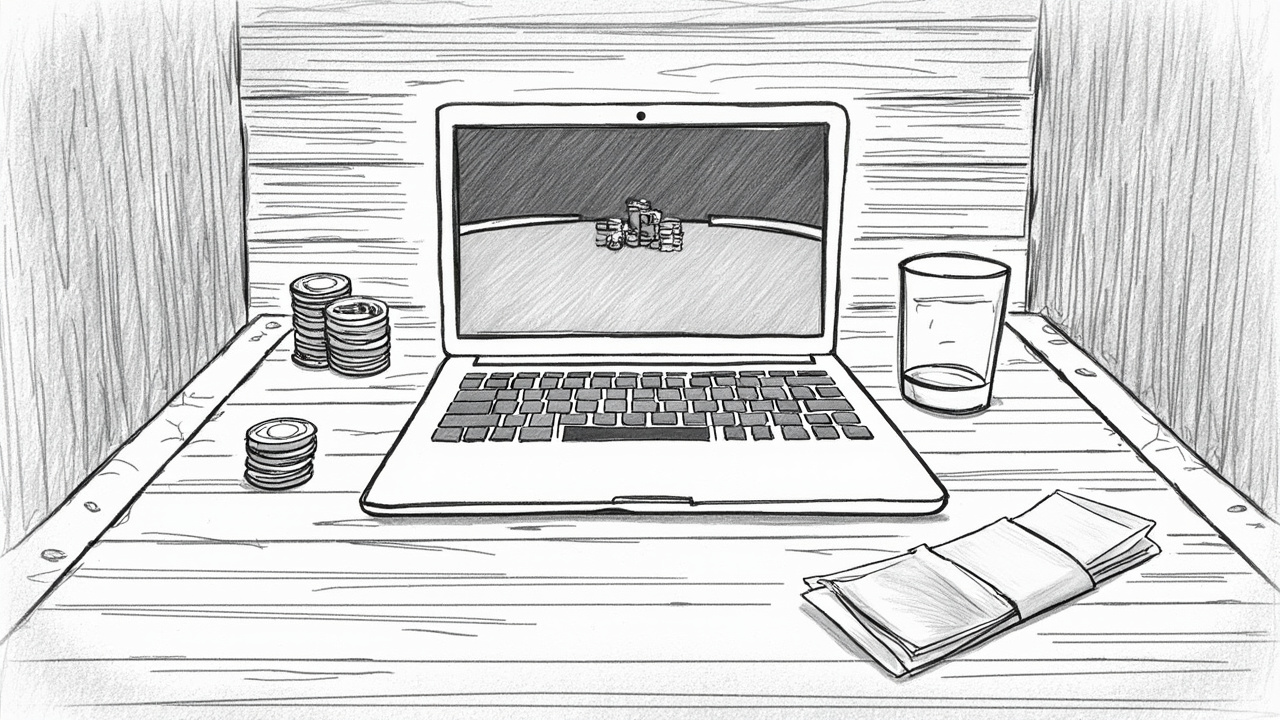
Live casino game show dice games work best when the studio layout feels calm, even when the multipliers climb. A strong interface separates the betting panel from the live host, keeps the dice result prominent and explains every round without hiding important terms inside a tooltip. The game show format can make a simple decision feel more complicated than it really is, particularly when a round offers several stake combinations and only a small window for placing bets.
Good navigation matters here because timing and placement are part of the experience. Buttons should be large enough to use on a phone, with stake and bet-group controls that are distinguishable by touch. The history panel should show recent results plainly, and the rules should sit one tap away rather than in a separate help section. If the result area uses colour alone to communicate a winning result, colour-blind players may struggle to follow what happened.
Localisation adds another layer. Australian players should find plain-English instructions, familiar dollar amounts and culturally appropriate imagery, without awkward translations or unrelated regional references. A Cairns player checking a game on a busy arvo should not have to decode unfamiliar symbols or banking terms just to place a straightforward wager.
| Key fact | Detail |
|---|---|
| Live format | Dice-based game show with host-led rounds |
| Betting window | 15 seconds before each roll |
| Stake range | A$0.20 to A$100 per round |
| Display currency | Australian dollars |
| Mobile access | Desktop and mobile browser, plus app |
| Support | Live chat, 24 hours, Australian English |
The best examples treat interface design as an operational tool rather than decoration. When labels are direct, the flow from lobby to bet to result is obvious. This is a key difference from fintech delivery, where a clear interface is often judged by whether it reduces support queries and errors rather than by how visually busy it looks. The same principle applies in live casino game show dice games: fewer ambiguities mean fewer avoidable mistakes.
Localisation, currency and account usability
A casino can offer an attractive live studio and still make the experience awkward for Australian players. The registration flow is usually where this shows first. Asking for an address, date of birth and identity documents is standard, and verification should be completed through the official account process rather than sidestepped. What matters for usability is whether those steps are explained in plain language and whether the document format is stated before upload.
Currency display should stay consistent from the lobby through to the cashier. If stakes appear in Australian dollars, the balance, bet confirmation and transaction history should all use the same unit. Mixed currencies create hesitation at the exact moment a player is deciding whether to continue. A small currency-conversion option can help, but it should disclose whether converted amounts are estimates and when the exchange rate is applied.
Search also deserves more attention than it receives. Players looking for a particular mechanic should be able to search by game name, provider or feature such as multiplier bets, rather than scrolling through long lists of nearly identical titles. Filters should work on mobile without collapsing into unreadable dropdown menus, and active filters should be visible at a glance.
Visual identity matters too, but polish cannot rescue a confusing structure. A consistent colour scheme, readable number contrast and clear audio cues help, while excessive animation can obscure the dice result. For players who prefer quieter sessions, sound controls and reduced-motion settings are practical additions rather than luxuries.
Lily Campbell, Digital Acquisition Director at Coral Coast Interactive, puts the balance plainly: “A live show needs enough movement to feel alive, but the result and the bet options have to stay readable. If a player cannot tell what happened, the entertainment value disappears.” That judgement is useful because it treats the interface as part of the game rather than a cosmetic layer around it.
Bonus mechanics, limits and the trade-off
The attraction of live casino game show dice games often lies in feature bets that pay more than a straightforward prediction. A player might wager on a specific number, a range or a multiplier outcome, with the dice roll determining the result. These options widen the range of decisions available in each round, which can be engaging for experienced players. They also raise the chance of misreading how a combination pays.

Bonus mechanics deserve particular scrutiny. Some formats award a bonus round when a qualifying multiplier appears, while others apply a boost to a standard win. The rules panel should state the trigger, the maximum boost and whether the bonus affects the stake or only the payout. A ten per cent multiplier on a winning bet sounds meaningful until a player works out that it applies to the payout rather than the returned stake, or that it is capped.
Timeouts and stake controls are equally important. A fifteen-second betting window is manageable on desktop, though it may feel brisk on a mobile connection. Quick-bet options and stake reminders can help, but they should not encourage larger wagers than the player selected. Limiting deposits and session reminders should be available within account settings, and self-exclusion must be straightforward to activate.
The real trade-off is between variety and clarity. More bet combinations create a richer show, yet every added option is another label, colour and outcome to interpret. A focused selection with transparent rules will usually serve everyday play better than a crowded table.
Jack Taylor, Marketing Director at Nullarbor Gaming Analytics, notes the tension in the category: “Feature bets sell the spectacle, but the retention story depends on whether players understand the maths after the round finishes. Transparency is not a compliance footnote; it is the product.”
For players comparing platforms, independent assessment helps separate interface strengths from promotional claims. A fair go casino withdrawal review can offer context on how account handling and payment processes work in practice, which shapes how quickly a player can move from registration to a live table.
What makes a live game show worth playing
There is also a broader entertainment angle beyond the dice mechanics alone. When comparing formats, the presentation style can influence how a round feels, so it helps to understand Crazy Time style game shows and the use of colour, wheels and bonus triggers. However, the most important difference often sits in the betting panel, which can make a visually polished round confusing when it lacks clear stake indicators and readable outcomes.
Ultimately, live casino game show dice games suit Australian adults who enjoy a watchable, fast-paced format and can make decisions within a short betting window. The strongest examples in this review paired clear bet labels with consistent Australian-dollar displays, mobile-friendly navigation and rules that stayed visible. The weaker ones buried key information behind flashy effects. No format guarantees returns, and every stake carries risk, so sensible limits remain essential. Choose based on clarity, control and whether the interface supports a measured pace rather than rushing you into larger bets.